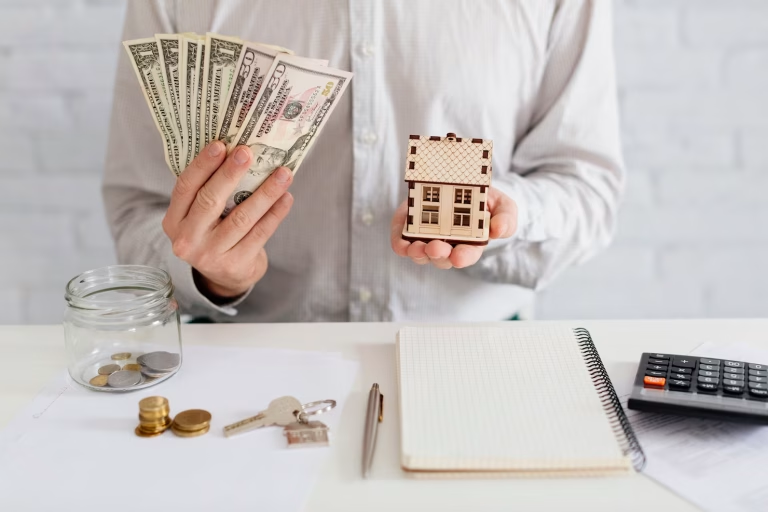

 Selling a home for cash can be one of the fastest and simplest ways to close a real estate transaction. Whether you’re facing foreclosure, dealing with an inherited property, relocating for work, or simply want to avoid the traditional listing process, understanding how to position and sell your home for cash is key to maximizing speed and value.
The first step is understanding what a cash sale really means. In a traditional transaction, buyers rely on mortgage financing, which involves appraisals, underwriting, inspections, and lender approval. A cash buyer, on the other hand, does not require financing. This eliminates many of the delays and uncertainties that cause deals to fall apart.
Next, determine the type of cash buyer you want to target. There are individual investors, institutional buyers like Opendoor, home-buying franchises such as We Buy Ugly Houses (operated by HomeVestors), and local real estate investors who specialize in off-market purchases. Each type of buyer has a different buying model and pricing structure. Institutional buyers typically rely on algorithms and standardized repair estimates, while local investors often evaluate properties based on renovation potential and resale value.
Pricing correctly is critical. Cash buyers expect a discount because they are providing speed, convenience, and certainty. To determine a fair price, analyze recent comparable sales in your area, assess the condition of your home, and calculate potential repair costs. Investors often use a formula based on after-repair value (ARV), minus renovation costs and their desired profit margin. Understanding this formula helps you negotiate confidently rather than feeling like you’re guessing.
Preparation still matters, even in a cash sale. While many investors buy properties “as-is,” presenting a clean, accessible, and organized home can increase perceived value and reduce the repair deductions buyers apply. Gather key documents such as your mortgage payoff statement, property tax information, HOA details (if applicable), and any repair estimates you may have. Being organized signals professionalism and can speed up closing.
Marketing also plays an important role. If you’re not selling directly to a specific investor, consider listing your property as “cash-only” on platforms like Zillow or Facebook Marketplace. You can also contact local real estate investment groups, attend meetups, or reach out to wholesalers who already have active cash buyer lists. The goal is to create competition among buyers, which often improves your offer.
When reviewing offers, look beyond just the price. Pay attention to closing timeline, earnest money deposit, proof of funds, and inspection contingencies. A true cash buyer should be able to provide proof of funds quickly and close in as little as 7–14 days if needed. Always use a reputable title company or real estate attorney to handle escrow and ensure the transaction is legally protected.
Finally, negotiate strategically. Cash buyers expect some back-and-forth. If you receive multiple offers, use them as leverage. If you receive only one, ask questions about how they calculated their offer and see if there’s room for adjustment.
Selling a home for cash is about trading maximum retail price for speed, certainty, and convenience. When done correctly, it can be an efficient solution that eliminates repairs, showings, and financing delays while putting money in your hands quickly.